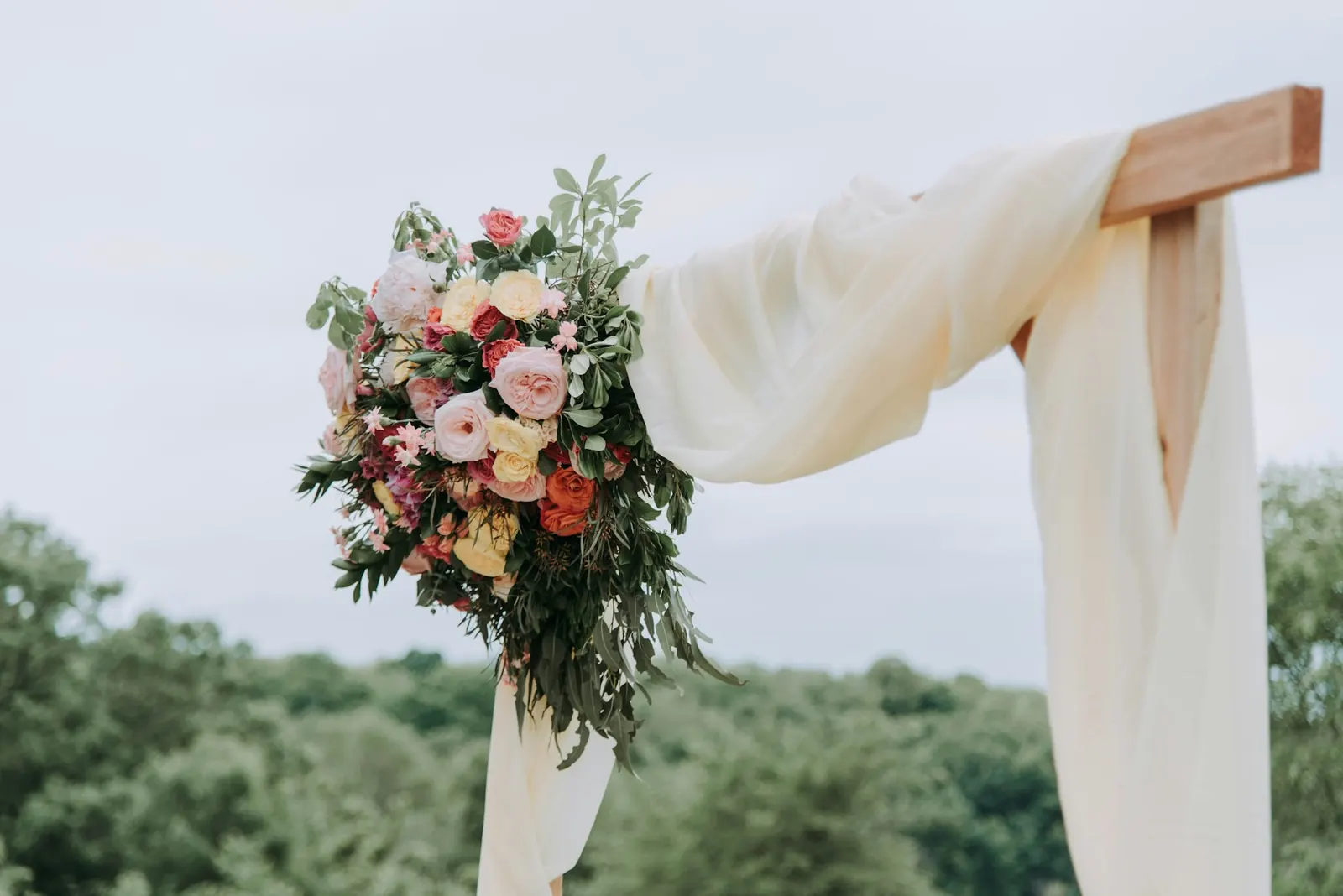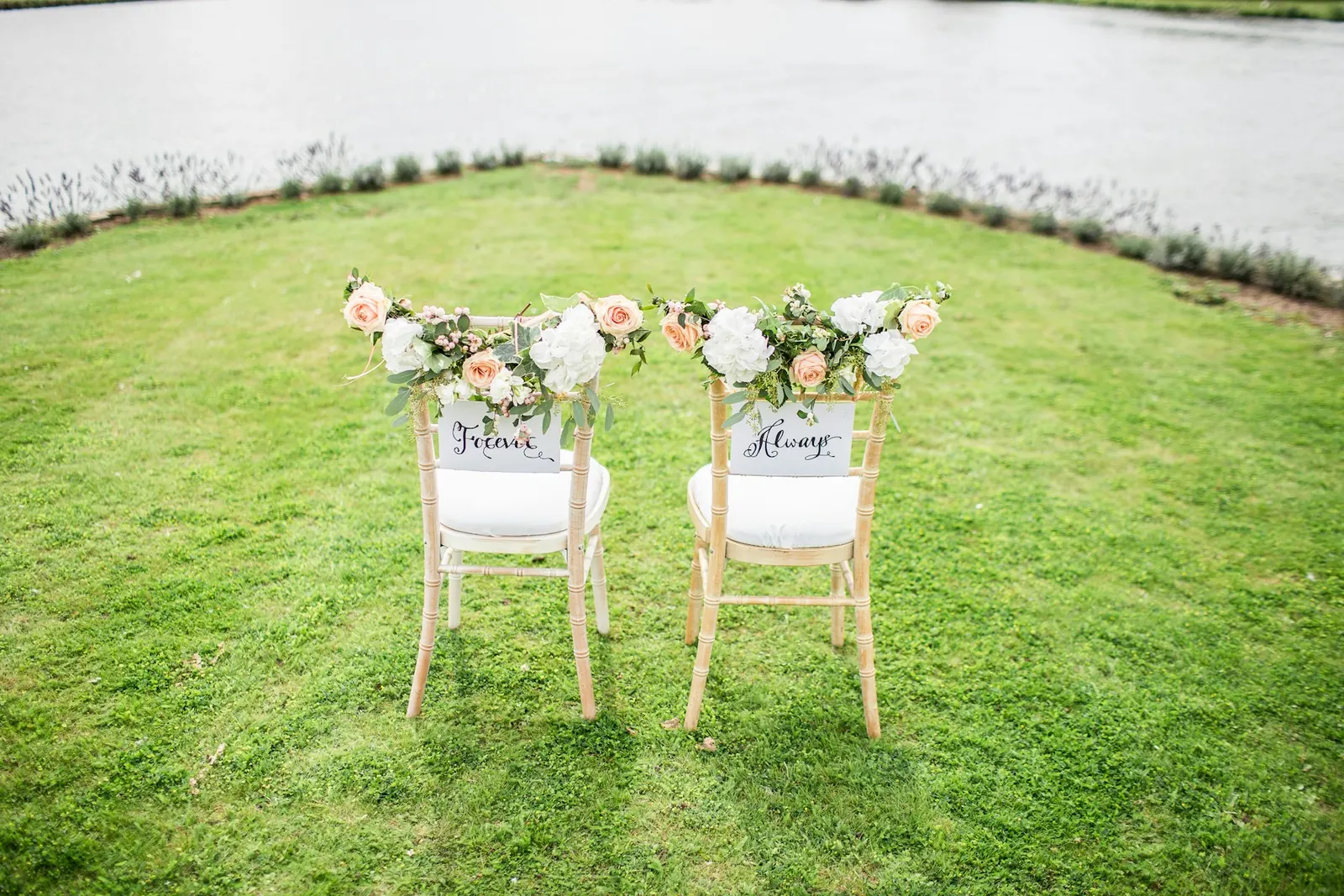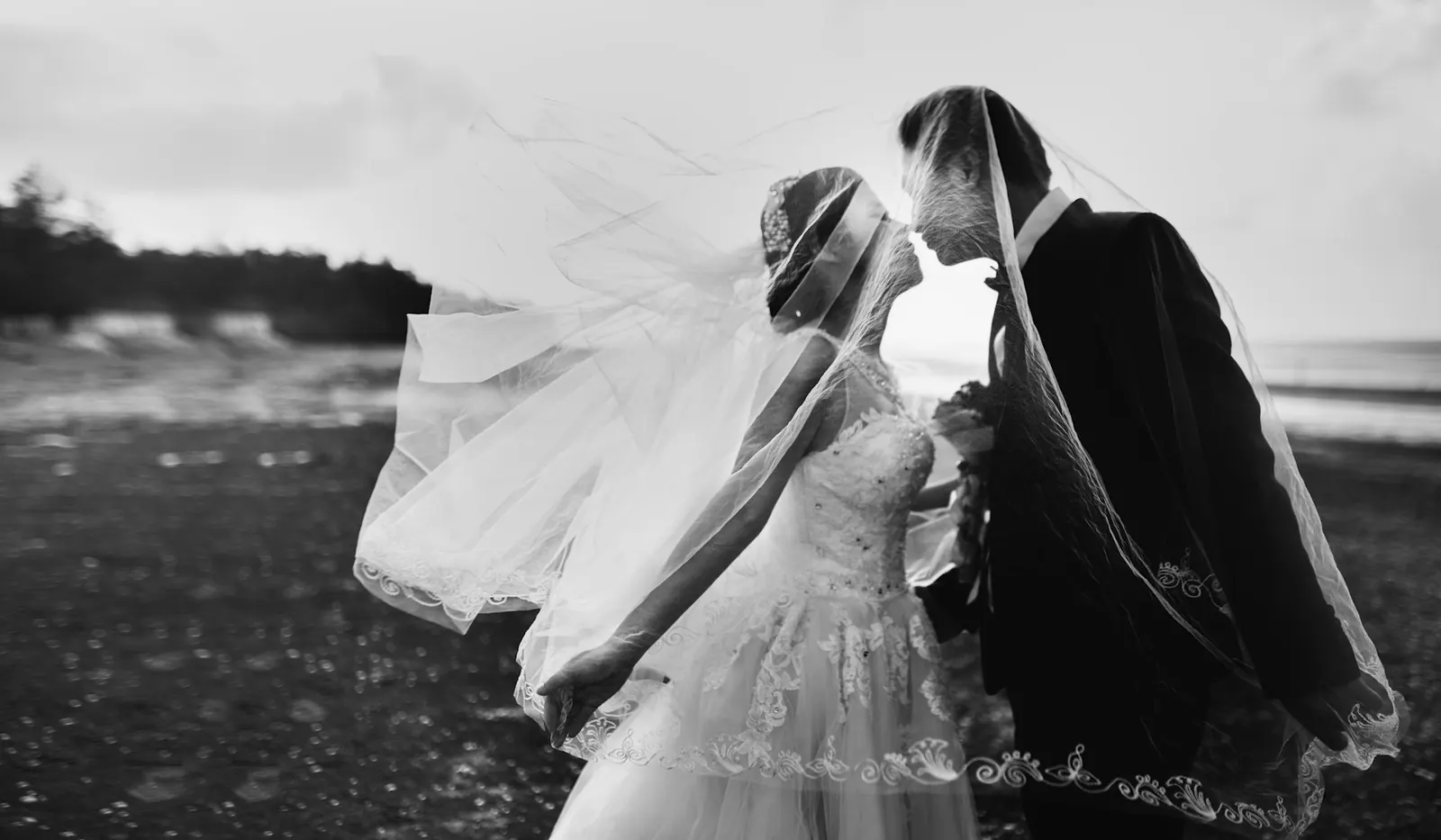
Wedding photo styles are the first thing every photographer's website promises and the last thing most couples can actually define. "Documentary with an editorial edge, light and airy, timeless." Three styles in one sentence, some of them contradictory. This guide takes the five labels you will see most often, explains what each one means in practice, what it asks of your timeline and your guests, and, most usefully, how to look at a portfolio and tell which style a photographer really shoots regardless of what the homepage says.
Documentary
Also called photojournalistic, reportage or candid. The photographer observes and does not direct. Moments are photographed as they happen, in the light that exists, from wherever the photographer can get to without changing the scene. The best documentary wedding work has the feel of a news photograph: real reactions, real timing, nothing staged.
What it looks like: wide frames with context, people mid-laugh, imperfect compositions that are perfect because of what is happening in them. Black and white is common. Portraits exist but are brief and relaxed.
What it asks of your day: almost nothing, which is the appeal. You will not spend an hour being posed. The trade is that you are relying on the day to produce moments, and a day with a tight, formal timeline and a reception in a dark room produces fewer of them.
How to spot it in a portfolio: look at the proportion of frames where nobody is looking at the camera. In true documentary work it is most of them. Look for the unglamorous moments, a grandmother adjusting a collar, a kid under a table. If every frame is beautiful and nothing is funny, it is not documentary.
Editorial
Editorial style borrows from fashion magazines. The photographer directs, often heavily, to produce images that look like a magazine spread: strong poses, deliberate composition, interesting use of architecture and light, a sense that the couple are the subject of a story being told rather than people at a party. Flash and off-camera lighting are used without apology.
What it looks like: clean lines, confident posing, dramatic or graphic light, couples who look like models even when they are not. Fewer frames overall but each one is "finished."
What it asks of your day: time. Editorial portraits need 45 to 90 minutes, sometimes in more than one location, and the photographer will want to scout. It also asks a certain willingness to be directed. Couples who hate being photographed find editorial sessions either liberating (someone is telling me exactly what to do) or exhausting. Our engagement photo poses guide is a reasonable test: if the "comfortable" end of that list sounds like a lot, pure editorial may be too much.
How to spot it: look at the hands and the feet. Editorial photographers place them. Look for flash at night and for portraits where the environment is a graphic element, not just a background.
Fine art
Fine art wedding photography grew out of film photography, and many fine art photographers still shoot medium-format film or edit digital files to look like it. The hallmarks are soft, pastel color, bright and even exposure, shallow focus, and a romantic, slightly timeless quality. It is often what people mean by "light and airy."
What it looks like: pale skies, creamy skin, lots of white and blush, florals and details given as much weight as people. Images are quiet. Nothing is harsh.
What it asks of your day: light. Fine art depends on soft, abundant natural light, so it suits daytime ceremonies, bright venues, and outdoor portraits in open shade or at golden hour. A dark reception hall or a winter evening wedding is where this style struggles, and an honest fine art photographer will tell you so. The wedding photography timeline guide explains how to build a schedule around the light if this is the look you want.
How to spot it: shadows. In fine art work shadows are open and gentle; you can see detail in them. Highlights are bright but rarely blown. If the portfolio is all outdoors and all daytime, ask to see a full gallery from an indoor evening wedding.
Traditional
Also called classic. The photographer works from a shot list: the formal family groups, the couple at the altar, the first dance, the cake. Poses are conventional and flattering, color is accurate, everyone is looking at the camera and smiling. This is what wedding photography was for most of the twentieth century and it still has a place, particularly for families who want the formal pictures done properly.
What it looks like: well-lit, centered, posed, complete. Every important person is in a picture with the couple.
What it asks of your day: organization. Formal groups take two to three minutes each with a good coordinator and far longer without one. Fifteen groupings is 45 minutes at best. Make the list in advance and give someone who knows the family the job of gathering people.
How to spot it: nearly everyone is looking at the lens. There is a photograph of the rings on the invitation. Nothing is wrong with any of it.
Dark and moody
The opposite of fine art in processing: deep shadows, rich saturated color or heavy desaturation, dramatic skies, a lot of contrast. Popular for mountain and desert weddings, where the landscape is the point, and for evening and indoor celebrations, where it turns low light into a feature. In Utah it is everywhere, for obvious reasons.
What it looks like: silhouettes at sunset, candlelit receptions that look candlelit, skies with every cloud rendered. Skin tones can go warm and bronze.
What it asks of your day: nothing in particular, which is part of its appeal; it works in bad light. The risk is in the editing, which dates faster than any other style. A gallery that looks striking this year can look like a filter in five.
How to spot it: look at a white dress. In moody processing it often reads as cream or gray. Decide whether you mind.
The honest truth about hybrids
Almost every working wedding photographer is a hybrid, and "documentary coverage with editorial portraits" is a real and sensible combination: observe the day, direct the portrait hour. The question is where the weight falls. A photographer who is 80 percent documentary will give you a few directed portraits and a lot of moments. One who is 80 percent editorial will give you stunning portraits and a thinner record of the party.
Ask to see two or three complete galleries, not the portfolio. The portfolio is the best 40 frames from a hundred weddings. The gallery is what you will actually receive. Count: how many frames are candid, how many directed, how many details. That ratio is the photographer's real style.
Matching a style to your wedding
- Outdoor daytime ceremony, garden reception, soft light: fine art and documentary both thrive.
- City venue, strong architecture, evening reception: editorial and dark-and-moody have the most to work with.
- Big family, lots of important elders: make sure traditional formals are in the plan, whatever the overall style.
- Small elopement in the mountains: documentary with a short editorial portrait session is the usual answer, and the landscape does the rest.
- You dislike being photographed: lean documentary, and read the Mandi and Riley lakeside story for how a largely unposed day still produces portraits.
Questions to ask a photographer
- Can I see a full gallery from a wedding similar to mine, including the reception?
- How much of the day do you direct, and how long do you want for portraits?
- How do you handle a dark reception: flash, available light, or both?
- Will the editing on my gallery match this portfolio, and do you re-edit older work?
- Do you shoot film, digital, or both, and does it change the price or the turnaround?
The Professional Photographers of America maintains a find-a-photographer directory with members' specialties listed, which is one way to build a shortlist before you start comparing galleries.
A last thought from the editors. Style matters less than the match between the photographer's instincts and the shape of your day. A brilliant fine art photographer at a candlelit winter reception will produce a gallery that fights itself. An honest documentary photographer at a wedding with a 40-person formal list will spend the portrait hour frustrated. Pick the style that fits the day you are actually having, and then pick the person whose full galleries prove they can shoot it.